the art of gentleman









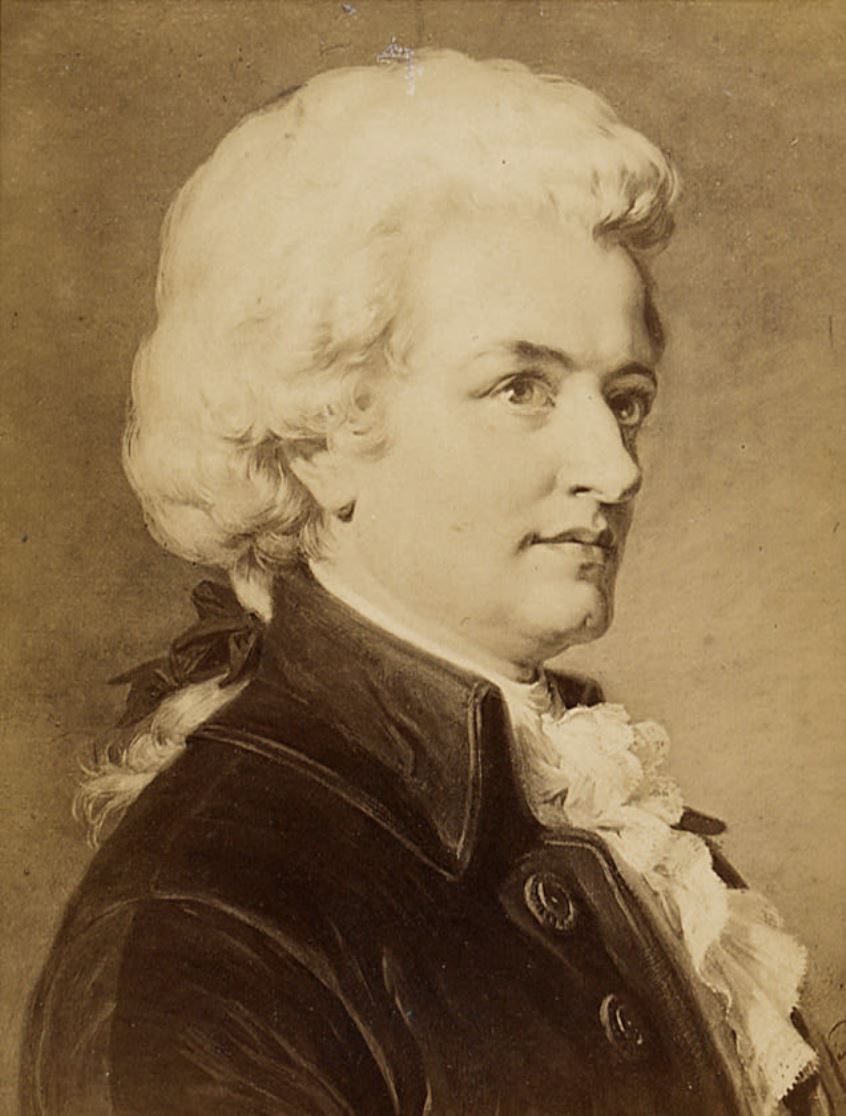
Wolfgang Amadeus Mozart, full name Johann Chrysostomus Wolfgang Amadeus Mozart, was an Austrian composer and virtuoso musician. Mozart is one of the greatest composers in music history on par with Beethoven and Haydn.
Wolfgang was born into the family of violinist and composer Leopold Mozart (1719-1787), at the age of five he had already begun composing and gave his first public performance. His older sister Maria Anna (1751-1829) was also a prodigy, and from 1763 Leopold and his children began traveling around Europe with performances.
Mozart had a phenomenal musical ear, memory and was a superb improviser. Unlike any other composer in music history, he was versatile and wrote in all musical genres of his time. During his short life, Mozart composed more than 800 works, many of which are recognized as the pinnacle of the symphonic, concert, chamber, opera and choral repertoire. The general public is familiar with the composer's three operas: The Marriage of Figaro, Don Giovanni and The Magic Flute.
Society did not immediately appreciate the scale of Mozart's genius. It was only many years later that the vivid image of a prodigy, a refined salon composer who could miraculously think through an entire work in his head, gave way to the image of a serious, meticulous and brilliant creator of music.
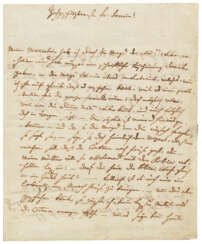

Wolfgang Amadeus Mozart, full name Johann Chrysostomus Wolfgang Amadeus Mozart, was an Austrian composer and virtuoso musician. Mozart is one of the greatest composers in music history on par with Beethoven and Haydn.
Wolfgang was born into the family of violinist and composer Leopold Mozart (1719-1787), at the age of five he had already begun composing and gave his first public performance. His older sister Maria Anna (1751-1829) was also a prodigy, and from 1763 Leopold and his children began traveling around Europe with performances.
Mozart had a phenomenal musical ear, memory and was a superb improviser. Unlike any other composer in music history, he was versatile and wrote in all musical genres of his time. During his short life, Mozart composed more than 800 works, many of which are recognized as the pinnacle of the symphonic, concert, chamber, opera and choral repertoire. The general public is familiar with the composer's three operas: The Marriage of Figaro, Don Giovanni and The Magic Flute.
Society did not immediately appreciate the scale of Mozart's genius. It was only many years later that the vivid image of a prodigy, a refined salon composer who could miraculously think through an entire work in his head, gave way to the image of a serious, meticulous and brilliant creator of music.


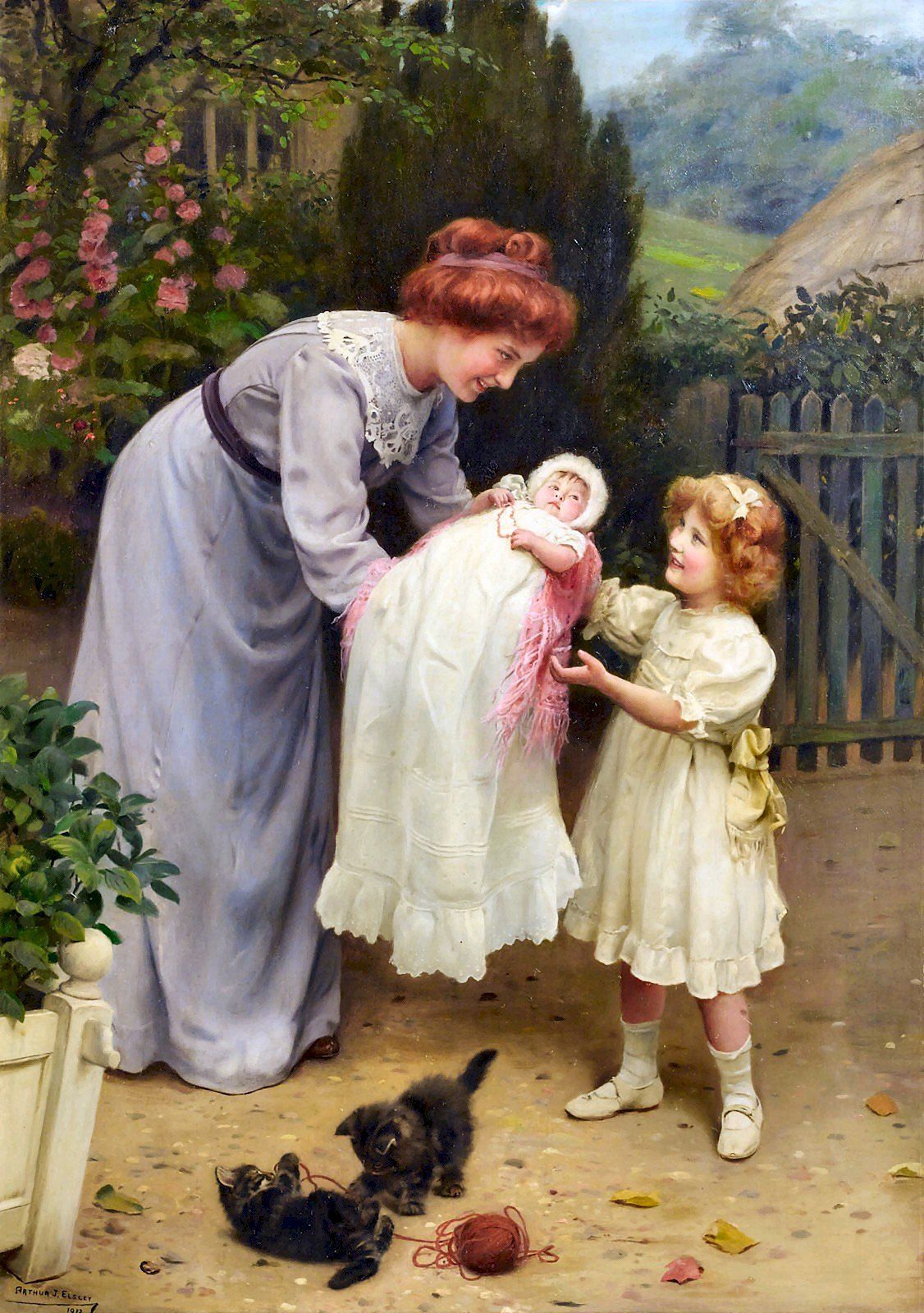
Arthur John Elsley was an English painter of the late Victorian and Edwardian periods, famous for his idyllic genre scenes of playful children and their pets. He achieved great popularity during his life and much of his work appeared in calendars, magazines and books.









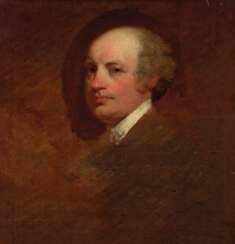

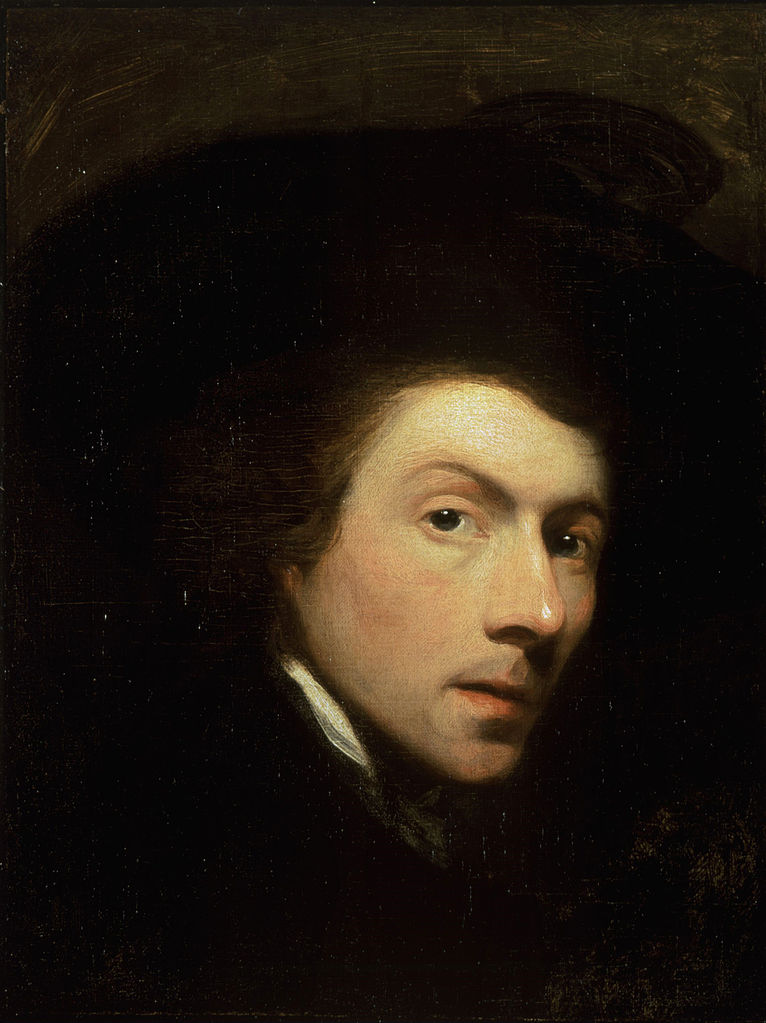
Gilbert Charles Stuart was an American painter from Rhode Island Colony who is widely considered one of America's foremost portraitists. His best-known work is an unfinished portrait of George Washington, begun in 1796, which is sometimes referred to as the Athenaeum Portrait. Stuart retained the portrait and used it to paint scores of copies that were commissioned by patrons in America and abroad. The image of George Washington featured in the painting has appeared on the United States one-dollar bill for more than a century and on various postage stamps of the 19th century and early 20th century.
Stuart produced portraits of more than 1,000 people, including the first six Presidents. His work can be found today at art museums throughout the United States and the United Kingdom, including the Metropolitan Museum of Art and Frick Collection in New York City, the National Gallery of Art in Washington, D.C., the Philadelphia Museum of Art in Philadelphia, the National Portrait Gallery in London, Worcester Art Museum in Worcester, Massachusetts, and the Boston Museum of Fine Arts.
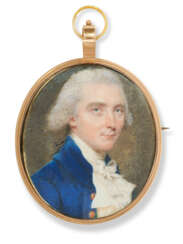

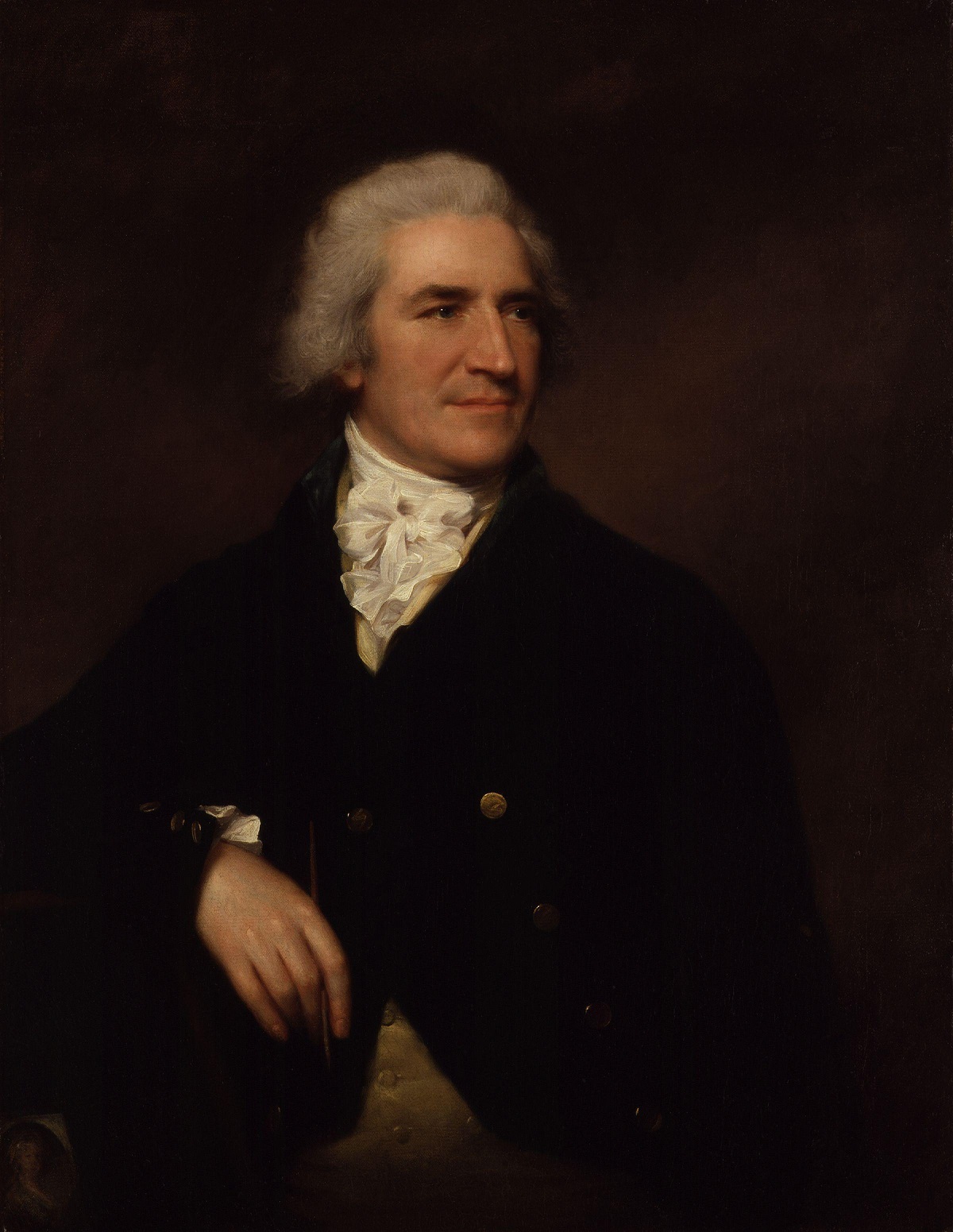
John Smart was an English painter of portrait miniatures. He was a contemporary of Richard Cosway, George Engleheart, William Wood and Richard Crosse.



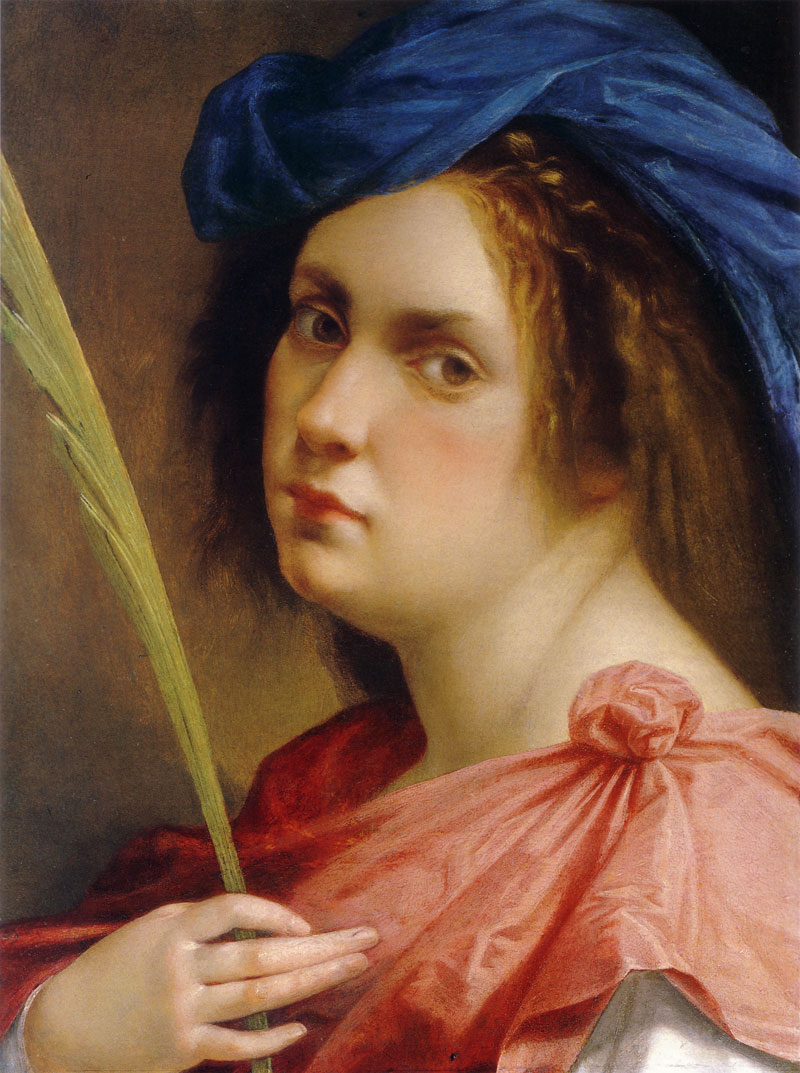
Artemisia Gentileschi was a pioneering Italian painter of the Baroque era, celebrated for her vivid portrayals of dramatic scenes and strong female figures drawn from mythology, allegory, and the Bible. Born in Rome in 1593, Gentileschi broke through the gender barriers of her time to become one of the first women to achieve fame as an artist. Her early exposure to painting came through her father, Orazio Gentileschi, a follower of Caravaggio, whose influence is evident in Artemisia's use of chiaroscuro and realistic, emotional expression.
Gentileschi's artistry is particularly noted for its naturalism and the dynamic use of color, which she employed to convey depth and drama. Among her most renowned works are "Susanna and the Elders" (1610), showcasing her skill in portraying the vulnerability and dignity of its subject, and "Judith Slaying Holofernes" (c. 1614–1620), a vivid depiction of strength and determination, housed in the Uffizi Gallery. These works, along with others like "Judith and Her Maidservant" (1625) in the Detroit Institute of Arts, highlight her unique ability to present female subjects not just as objects of beauty, but as agents of power and action.
The complexity of Gentileschi's life, including her survival of rape by Agostino Tassi and the subsequent trial, has often overshadowed her artistic achievements. However, modern scholarship and exhibitions, such as those at the National Gallery in London, have reevaluated her contributions, positioning her as a significant figure in art history for both her mastery of Baroque painting techniques and her role in challenging the era's gender norms.
For art collectors and experts, Gentileschi's works are emblematic of the Baroque spirit and a testament to the resilience and talent of women artists in a male-dominated field. Her paintings are not only valuable for their aesthetic and historical significance but also for their inspirational narrative of overcoming personal and societal challenges.
To stay updated on new product sales and auction events related to Artemisia Gentileschi, signing up for updates is recommended. This subscription ensures you remain informed about opportunities to acquire pieces related to this groundbreaking artist, without any pomp or unnecessary fluff, focusing purely on her incredible legacy in the realms of culture, art, and painting.
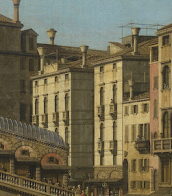


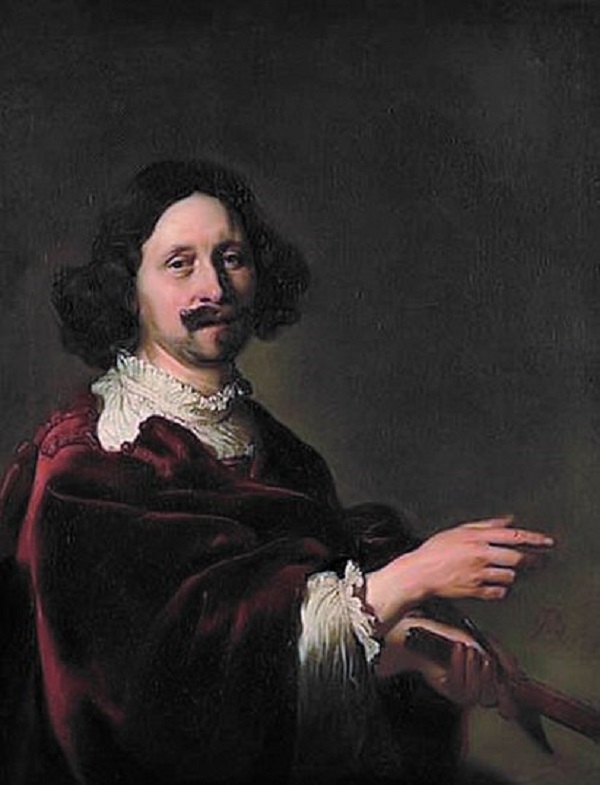
Bartholomeus Breenbergh was a Dutch Golden Age painter of Italian and Italianate landscapes, in Rome (1619-1630) and Amsterdam (1630-1657).
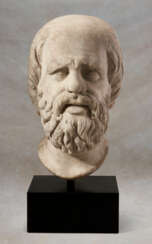





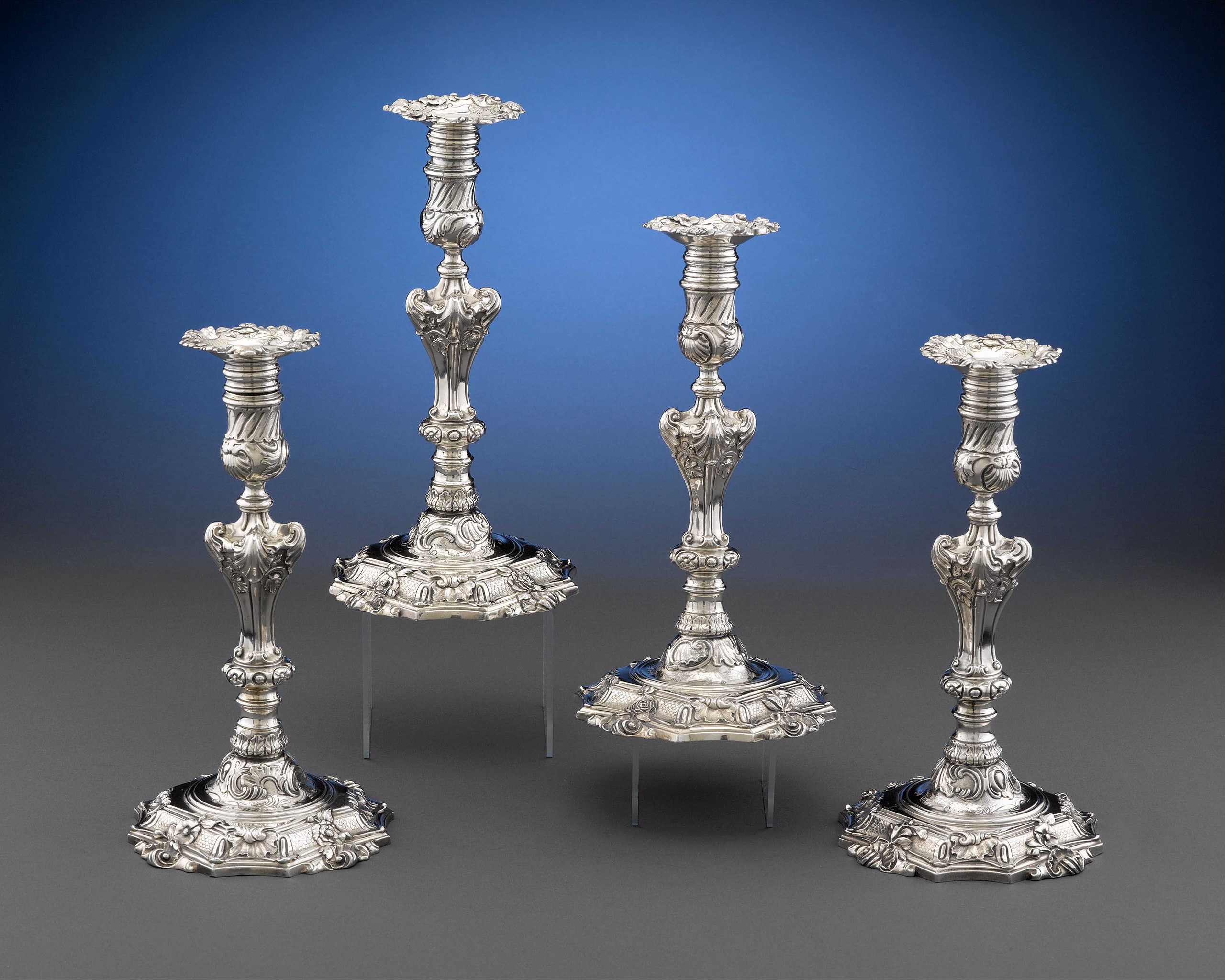


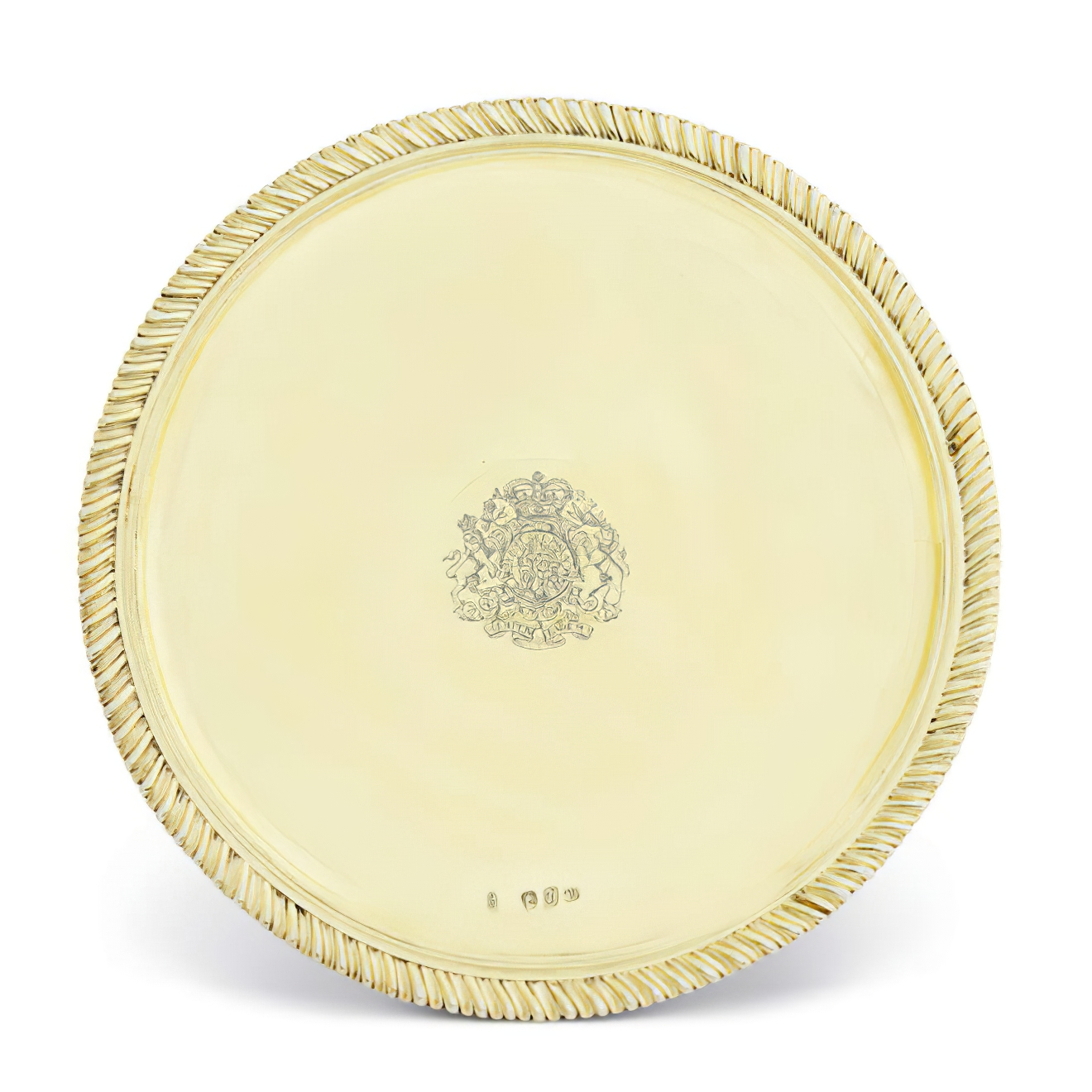

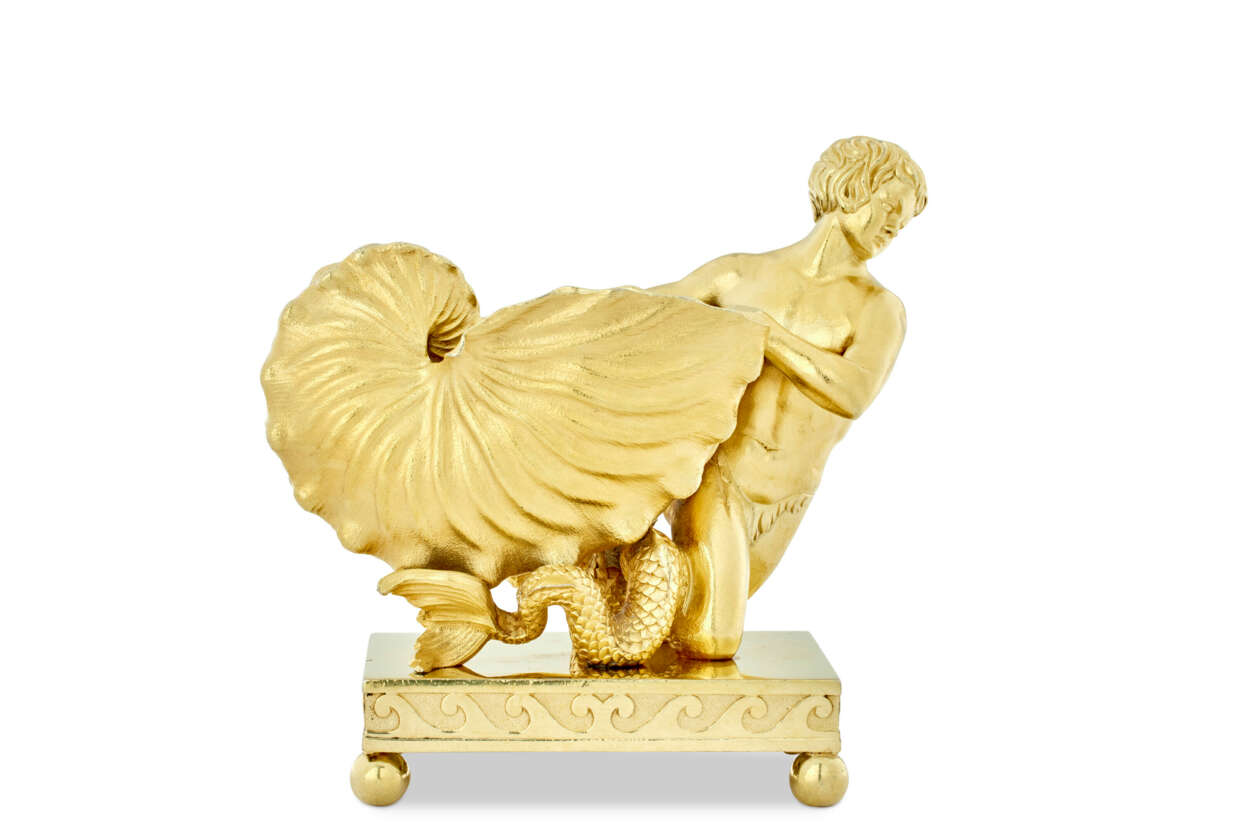
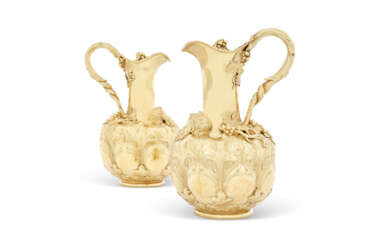
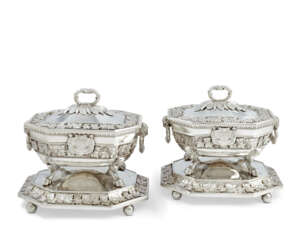
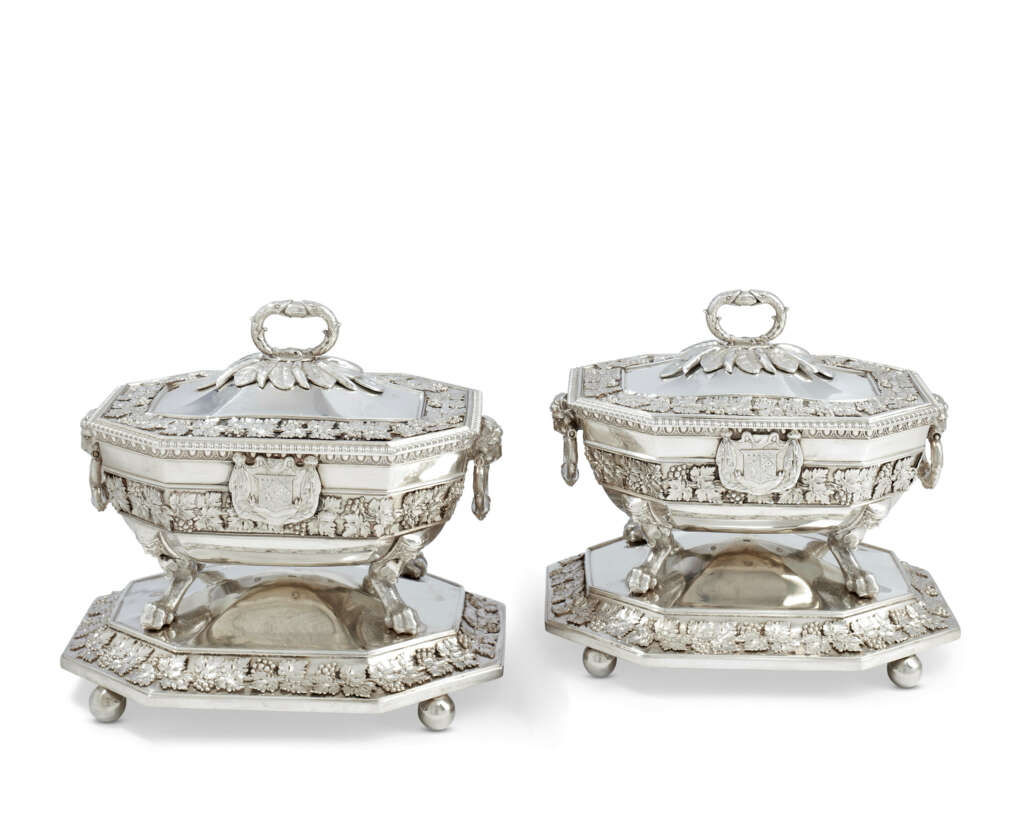
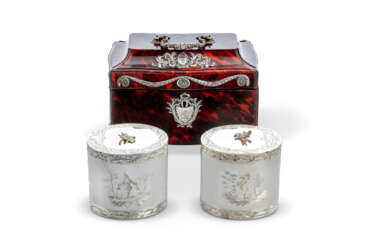
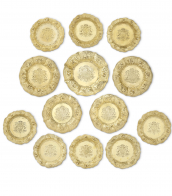
Paul Storr was an English goldsmith and silversmith working in the Neoclassical and other styles during the late 18th and early 19th centuries. His works range from simple tableware to magnificent sculptural pieces made for royalty.